

How To Get Rid of Vegetable Garden Pests with These 13 Easy Tips
Spring should be the time to prepare your garden and enjoy the gorgeous, blooming flowers. Unfortunately, it’s also the season where unwanted guests make their appearance in your garden.
Rabbits, squirrels, voles, and aphids are just some of the pests I find in my garden. Well, I’ve mastered how to keep animals out of my vegetable garden, and I’m here to help you!
Are you ready to have a thriving crop? Keep reading this guide to learn how to keep pests out of your garden for good using my 12 secret tips. Let’s dive in!
How To Get Rid of Vegetable Garden Pests Video
Do you want to fully transform your garden into a haven for your vegetables, without any pests? Watch this step-by-step guide to get rid of all garden pests.

How to Keep Animals Out of Vegetable Garden
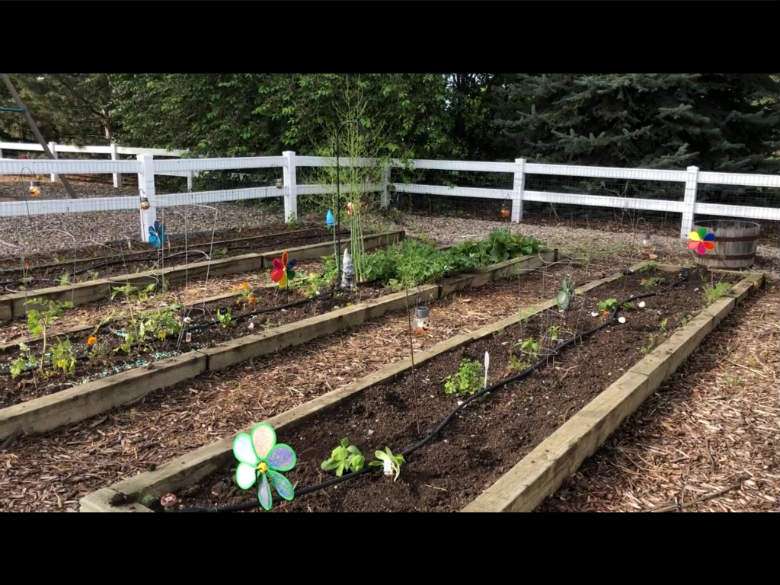
The growing season in Colorado is pretty limiting. So, I learned how to get the most out of my garden plants by employing a couple of practical tips to keep the animals away from my crop. Here they are:
1. Solve Your Bunny Problem by Building a Fence
I’ve had my garden for about 16 years. It took me a while to learn that if there are rabbits around, you’ll definitely want to fence off your garden.
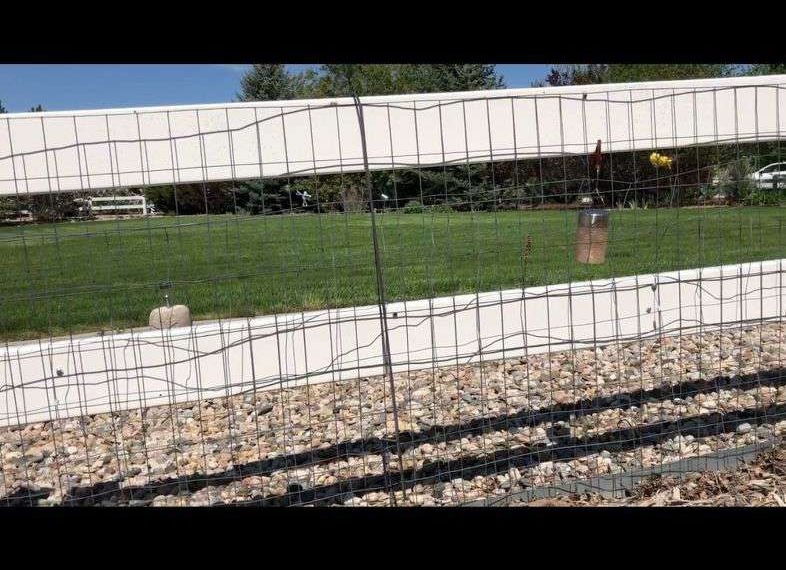
We bought this fence at our local hardware store, and it turned out to be an exceptional investment. Yet, if you’re on a tight budget, you can also fashion a fence out of items you already have in your home.
Pro tip: Don’t forget to block off entry points as well. Bunnies can also burrow under the fence. For this reason, I put a row of rocks inside my gate as a deterrent, so the pests cannot sneak underneath it.
2. Growing Pungent Flowers to Scare Off Animals
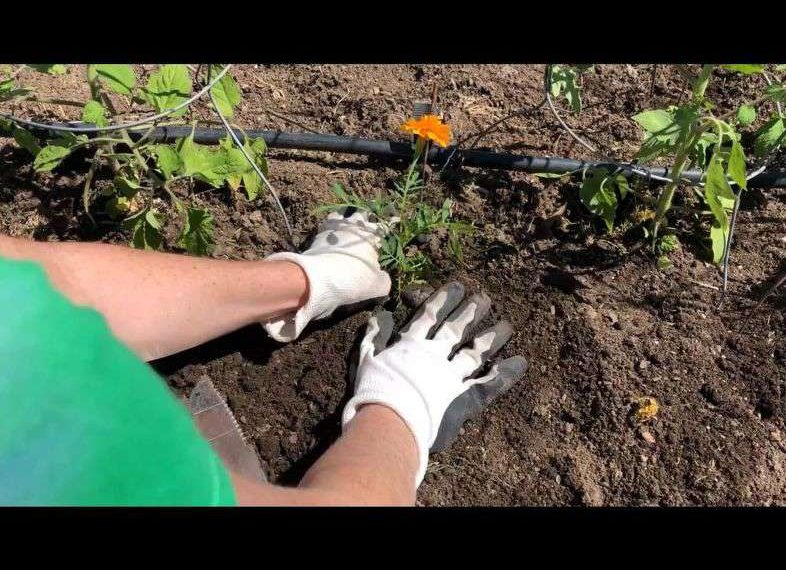
Marigolds and other herbs produce a strong odor, keeping animals from approaching your garden. My grandma taught me the trick of planting these in my garden. Not only will you enjoy a magnificent crop, but you’ll also deter rabbits and deer.
3. Add Color to Your Garden With Reflective Objects
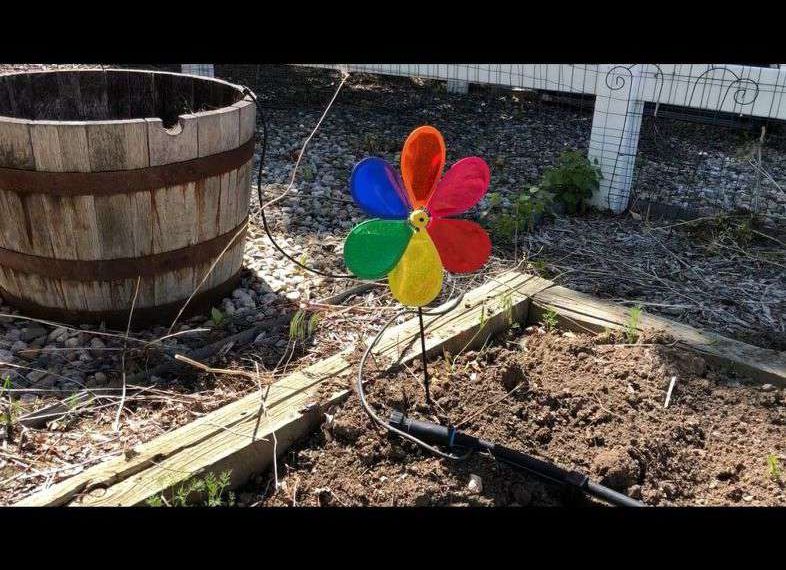
Animals easily get startled by movement. This makes reflective objects and mirrors around your garden the simplest method to remove pests.
The simple pinwheels are small enough to keep my garden looking neat but still reflective enough to keep pests out.
4. Does Irish Spring Soap Repel Rabbits?
Irish Spring Soap bars are an effective way to deter pests like rabbits, deer, mice, and voles. These soap bars produce a powerful fragrance that animals dislike.
To further spread the odor, I like to grate up the bars of Irish Spring Soap or Lavender Castile Soap (for a natural soap) with a simple cheese grater.
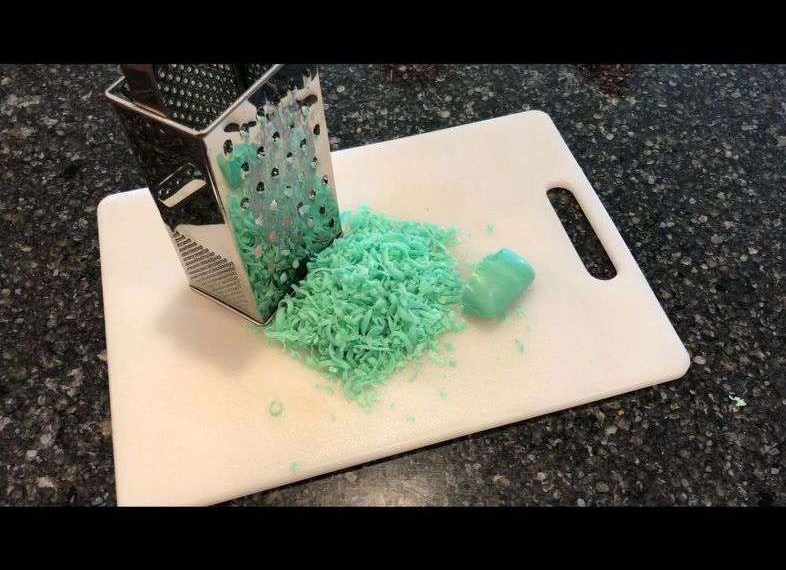
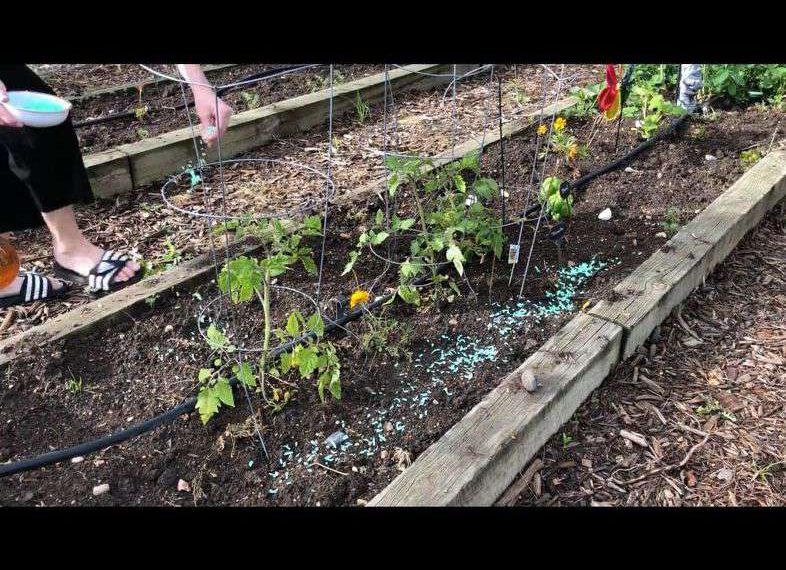
Sprinkle the soap shavings all over the garden and flower beds. Then, wave your mouse problem goodbye!
5. Eggshells for Added Calcium
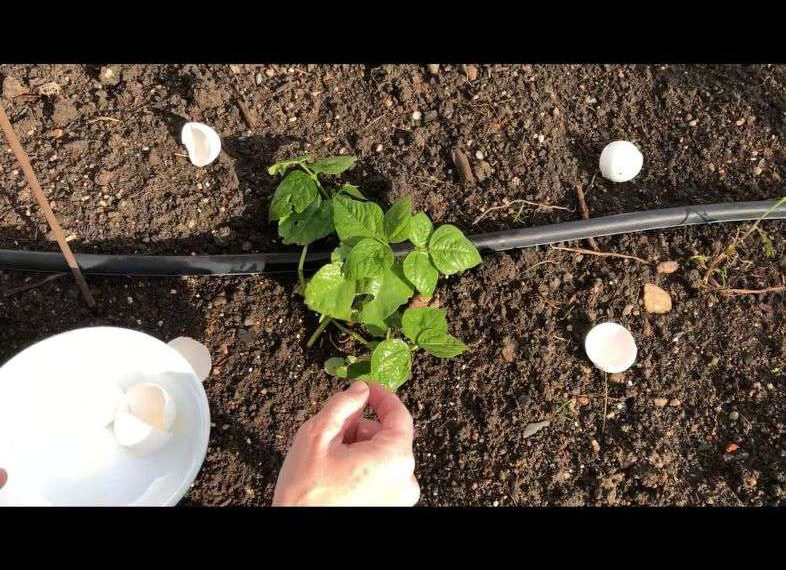
Eggshells might be the last thing you’d think of adding to your garden. That said, they’re one of the best, multipurpose items.
The handy shells deter deer and insects, as well as provide your soil with calcium as they decompose. In particular, I found eggshells to be excellent for getting rid of slugs.
6. How to Get Rid of Voles: Mothballs
I get voles in both my vegetable and flower gardens almost every year. I find these pests the most tricky to get rid of!
After years of trial and error, I’ve learned that moth balls do the trick. All you need to do is fill a mesh bag or a cheesecloth with mothballs. Next, hang them on a short stick. Voles find the pungent scent of the mothballs disagreeable.
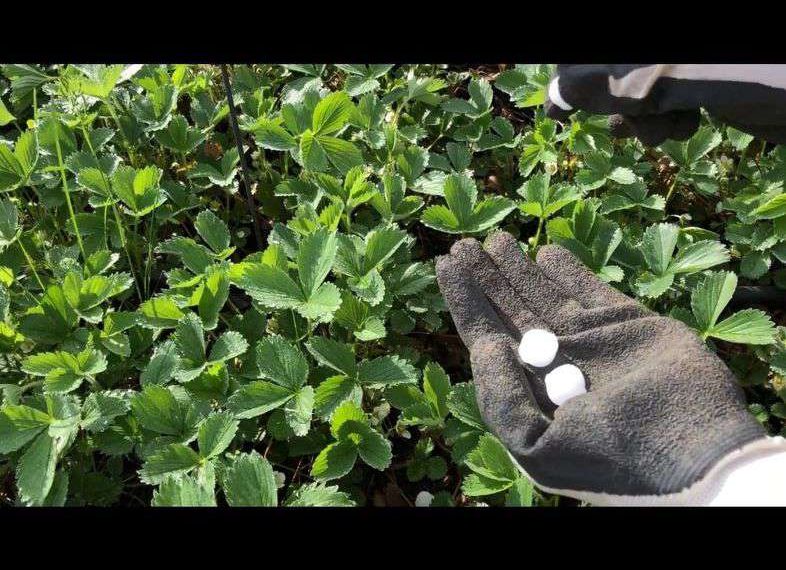
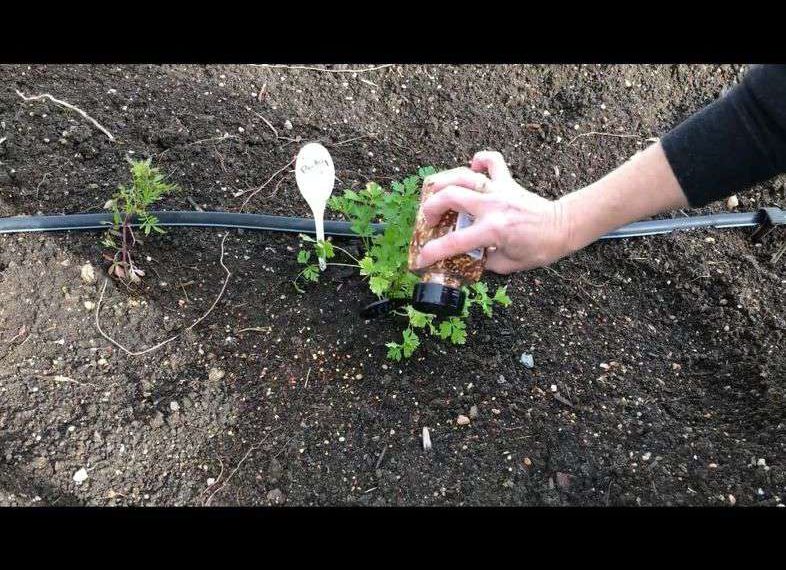
7. Irritate the Pests With Red Pepper Flakes
Smelling red pepper flakes is irritating to us. Imagine what this handy kitchen stable can do to tiny pests. Just a sprinkle of red pepper flakes in the garden soil will keep animals far away.
Don’t worry, though! The red pepper won’t harm the animals. They just dislike the smell. If they get close enough, the pepper flakes will only irritate their skin and noses.
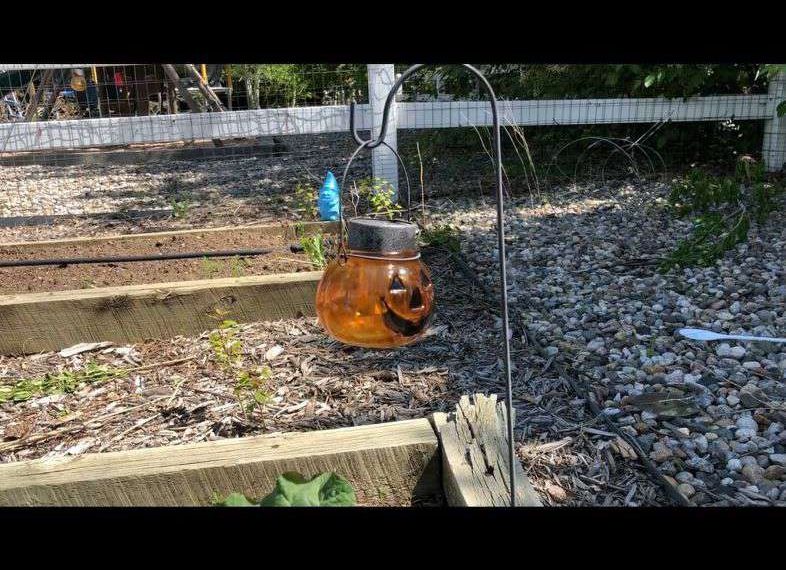
8. Sleep Soundly With Solar Lights
Solar lights can be a great help to your garden. If you wake up to a destroyed crop, these lights will keep all nocturnal animals away. Some solar lights also double as seasonal decor!
Learn more about “Creating Seasonal Decor for Your Home” to decorate your home without costing an arm and a leg.
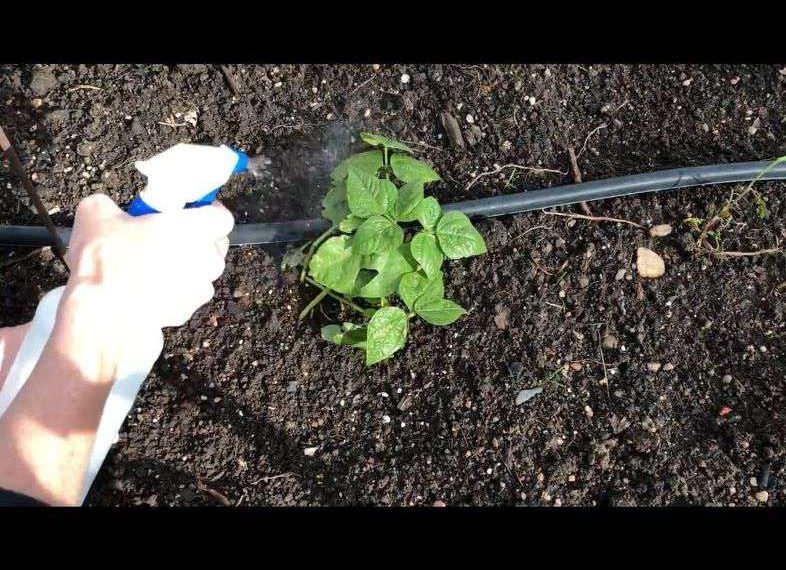
9. Clean Up Your Garden With Dish Soap
Do you find a sticky residue or tiny eggs on the leaves of your plants? You probably have aphids.
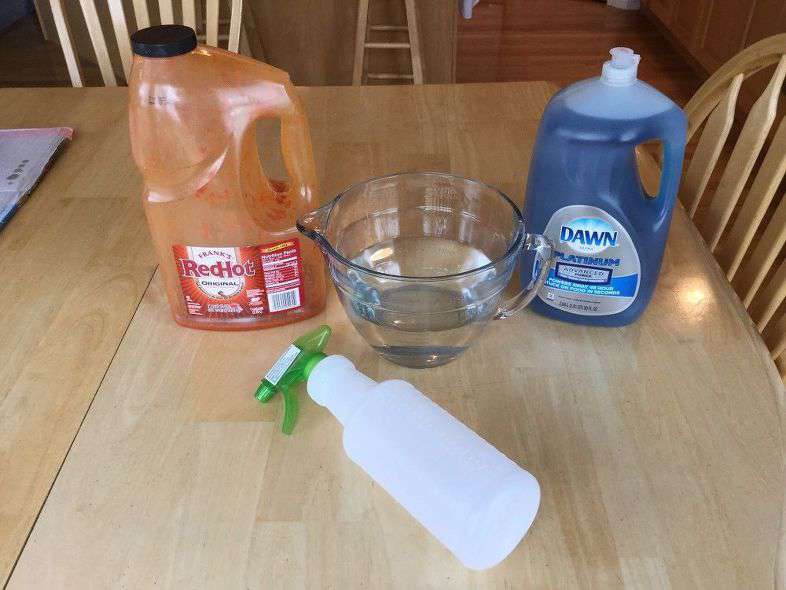
These tricky pests can be hard to detect, wreaking havoc in your vegetable garden until you notice them. However, once you locate them, you can easily keep bugs away by using dish soap spray. These Save Your Garden Sprays will be your lifesaver during your gardening journey!
10. Feed the Pests Somewhere Else
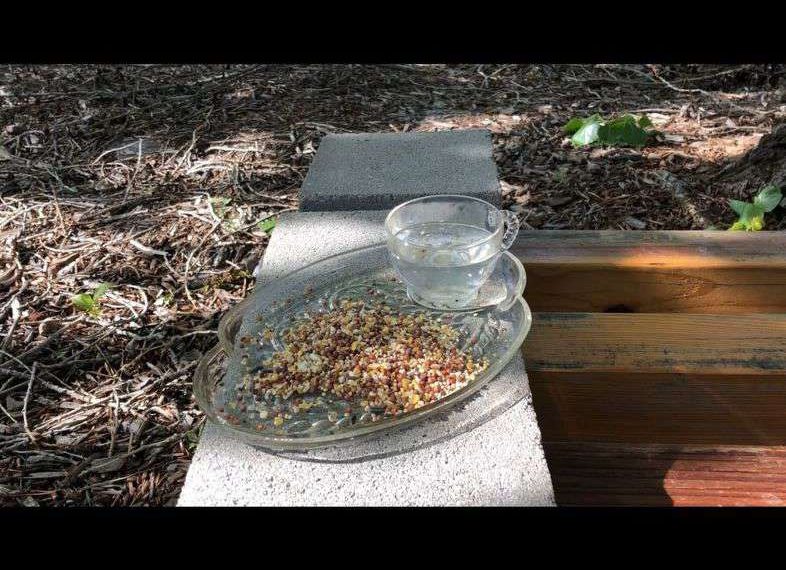
Do you love having bunnies, birds, and squirrels around but need to save your garden? Well, you can befriend these tiny animals by feeding them elsewhere.
For example, I made this bird feeder by simply gluing a cup to a plate. This kept the birds away from my crop, but I could still enjoy their beautiful chirping.
You can also put out kitchen scraps in a designated area in your yard, away from your garden. The small pests will get used to eating there, so they won’t have to scavenge through your plants.
11. No More Climbing Up Trees
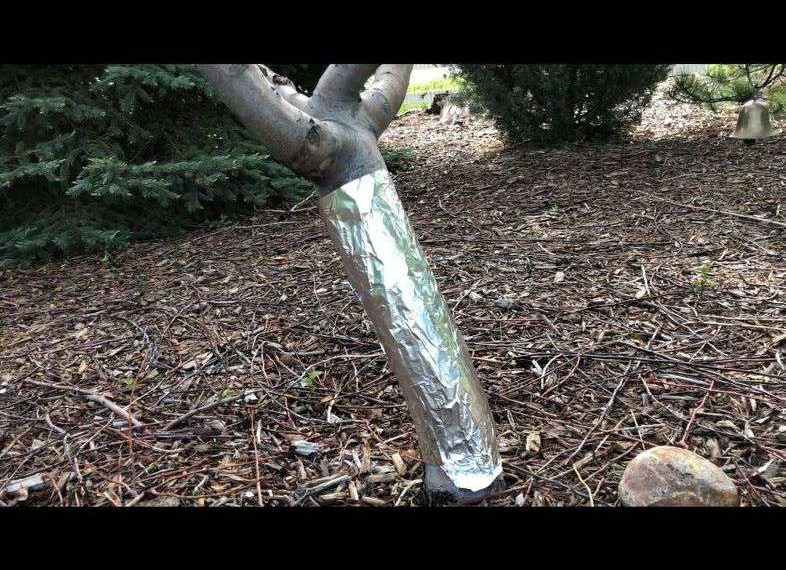
Squirrels can drive you crazy. They climb up trees, get into bushes, and even eat the bark off in the winter. Sometimes, I find uneaten crops plucked from the plant and left to rot!
Needless to say, squirrels are a menace. Fortunately, I learned a simple trick to keep them away. All there is to it is wrapping the base of trees with tin foil. The reflection will frighten the squirrels, and they won’t go near your trees.
12. CDs Aren’t a Thing of the Past
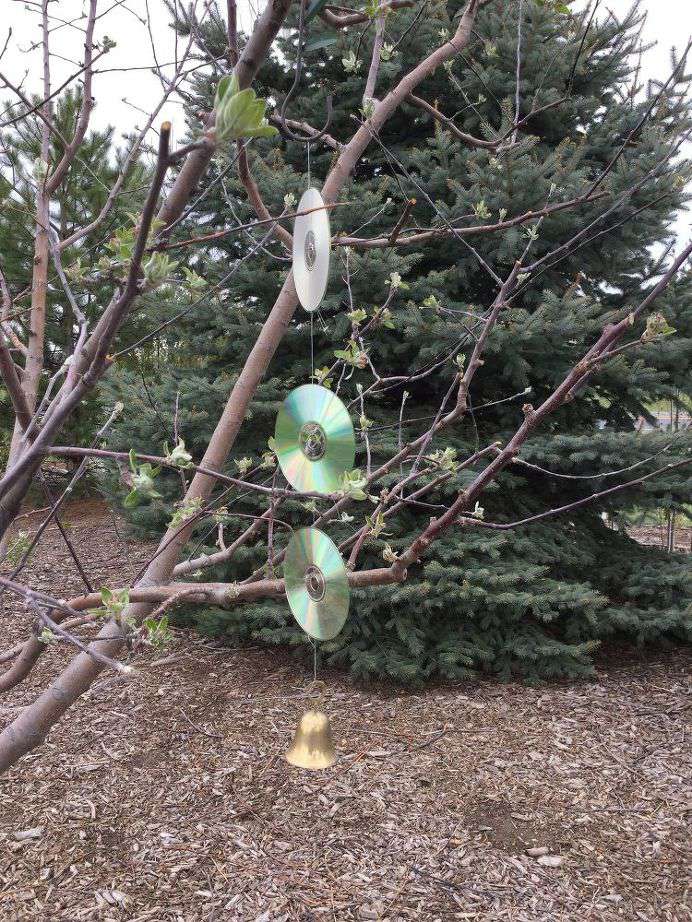
Recently, I’ve come across some old CDs while spring cleaning. Instead of throwing them away, I repurposed CD wind spinners and hung them on the tree branches. Who knew repurposed CDs made such perfect squirrel repellents?
Find out “What Exactly Does It Mean To Repurpose Or Upcycle“ to save money, and create the most amazing things.
13. Keep It Moving!
Animals are smarter than you think. Even if you’ve used all the tricks up your sleeve, you might still come across some pests in your garden. You aren’t doing anything wrong, though!
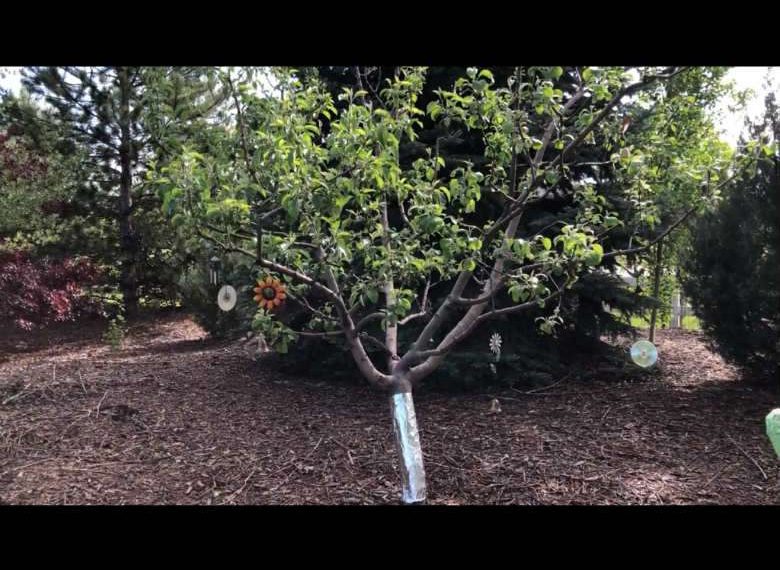
After a while, animals will get used to all the items and odors you’ve added to your garden. For this reason, I recommend moving things around every once in a while to throw them off.
How To Get Rid of Vegetable Garden Pests Video
You can watch the video I made with Hometalk
Frequently Asked Questions
What are common garden pests?
This depends on your location. However, these are the most common insects you’ll find in your vegetable garden:
- Colorado potato beetles: Voracious pests that devour potato plants, causing significant damage to foliage and reducing crop yields.
- Tomato hornworms: Large green caterpillars that feed on tomato plants, posing a threat to fruit production and overall plant health.
- Spider mites: Tiny arachnids that suck sap from plant leaves, leading to discoloration and damage to a wide range of crops.
- European corn borer: Tunnel into corn stalks, compromising plant integrity and reducing corn yields in agricultural settings.
- Cabbage worms & Cabbage looper: Notorious for attacking cruciferous vegetables, consuming leaves, and impeding plant growth.
- Green caterpillar: General pests feeding on various plants, causing damage to foliage and flowers.
- Cucumber beetles: Target cucumber plants, transmitting diseases, and harming plant development.
- Flea beetles: Small, jumping insects that feed on the leaves of many vegetable crops, causing tiny holes and affecting plant health.
- Mexican bean beetle: Destructive pests that devour bean plants, hindering bean production and overall plant vitality.
- Squash vine borer and squash bugs: Detrimental to squash plants, causing wilting, vine damage, and reduced fruit yields.
- Tobacco hornworm: Feed on tobacco and tomato plants, posing a threat to these crops with their voracious appetite.
- Corn earworms: Damage corn crops by feeding on developing kernels, leading to reduced yields and compromised quality.
- Bean leaf beetles: Target bean plants, causing defoliation and negatively impacting bean production.
- Vine borers: Attack various vines, including squash and pumpkin, leading to wilting, vine collapse, and reduced fruit production.
- Common asparagus beetle: Harm asparagus plants by feeding on foliage, compromising plant health, and reducing yields.
- Stink bugs: Agricultural pests that pierce plant tissues with their mouthparts, causing damage to a variety of crops.
- White grubs: Larvae of certain beetles, destructive pests in lawns and gardens, feeding on plant roots and causing damage to turf and plants.
What are some examples of beneficial insects?
Not all insects are bad. Some natural enemies kill and feed on other bugs that harm your plants. These include:
- Parasitic wasps: Beneficial insects that parasitize and control the populations of various harmful pests, such as caterpillars and aphids, by laying their eggs on or inside the pests.
- Lady beetles: Also known as ladybugs or ladybirds, these beetles are beneficial predators that feed on aphids, scale insects, and other soft-bodied pests, providing natural pest control in gardens.
- Japanese beetles: While Japanese beetles can be pests themselves, their larvae, called grubs, are beneficial in breaking down organic matter in the soil, aiding in nutrient cycling and promoting a healthier garden ecosystem.
How can you control pests without chemicals?
Here are some other ways you can get effective control using effective methods for your home vegetable garden, especially if you’re an organic gardener:
- Insecticidal soap: A natural insecticide made from soap and water, effective in controlling soft-bodied pests like aphids, mites, and whiteflies by disrupting their cell membranes and causing dehydration.
- Horticultural oil: Derived from plants, horticultural oil is an effective natural insecticide that suffocates pests such as scales, mites, and aphids by coating their bodies and blocking their spiracles.
- Natural predators: Beneficial insects and animals that act as natural insecticides by preying on harmful pests, maintaining a balance in the ecosystem. Examples include ladybugs, parasitic wasps, and predatory beetles.
- Diatomaceous earth: A powdery substance consisting of fossilized diatoms, diatomaceous earth is a natural insecticide that dehydrates and damages the exoskeletons of insects, leading to their demise. It is effective against various crawling pests like ants, cockroaches, and fleas.
Natural garden pest control methods offer a sustainable and eco-friendly approach to keeping unwanted visitors at bay. One effective ingredient in this arsenal is garlic, known for its natural insect-repelling properties. To create a simple garlic spray, mince a few cloves and mix them with a gallon of water. Let the mixture sit overnight, strain the cloves, and transfer the liquid into a spray bottle. This homemade insecticide can be applied directly to plants as an organic pest control method, serving as a deterrent to various pests, including cabbage moths and butterflies.
Hot peppers, particularly cayenne pepper, are another powerful ingredient that can be incorporated into your natural pest control arsenal. Mix a tablespoon of cayenne pepper with a gallon of water and a tablespoon of vegetable oil to create a potent spray. This spicy mixture serves as an effective deterrent for pests, making it a valuable addition to your organic garden pest control routine. Ensure that you strain the mixture before transferring it to a spray bottle for easy application.
Companion planting is a time-tested strategy in natural garden pest control. By strategically placing plants that act as natural insect repellents alongside vulnerable crops, you can create a symbiotic relationship that helps protect your garden. For instance, planting peppermint near susceptible plants can deter pests and promote a healthier garden environment. Additionally, row covers made from breathable materials can act as physical barriers, preventing pests from reaching your plants.
Incorporating essential oils into your pest control methods adds both fragrance and efficacy. Consider adding a few drops of essential oils like peppermint or cloves to your spray mixtures for an extra layer of protection. These oils not only contribute to the pleasant aroma of your garden but also act as natural insecticides, deterring pests in an environmentally friendly way.
To enhance the overall health of your garden and boost its resistance to pests, consider using compost as a key ingredient in your soil. Healthy soil promotes strong, resilient plants that are better equipped to fend off pests naturally. This approach aligns with the principles of organic garden pest control, emphasizing a holistic and sustainable approach to gardening.
In conclusion, embracing natural garden pest control involves a thoughtful combination of ingredients, companion planting, and organic methods. By leveraging the power of garlic, hot peppers, essential oils, and other natural elements, you can maintain a thriving garden while minimizing the impact on the environment. Experiment with these techniques to find the most effective natural pest control method for your unique gardening needs.
Are you ready to work on your garden vegetables and vegetable plants? Don’t forget your weed control in the garden to protect those plants too.
Shop any of these stores and I receive a small commission at no cost to you.
 Solar Lights Outdoor, 12Pac...Shop on Amazon
 Bonide Repels-All Animal Re...Shop on Amazon
 Irish Spring Deodorant Bar ...Shop on Amazon
 In the Breeze 2791 — 12-i...Shop on Amazon
Learn more about “Why to Deep Clean and Organize Your Home” to save money, function better, and keep your sanity.
Check out some of my other garden posts!
- Amazing and Awesome Vegetable Garden Ideas
- Vegetable Garden 101 A Fabulous Journey From Start To Finish
- When To Harvest Your Garden Vegetables
More on Garden Pests
Gardening enthusiasts often find themselves facing the challenge of dealing with various garden pests that can wreak havoc on their plants. One common issue is the presence of larvae, which are immature forms of insects that can damage the health of your garden. To tackle this problem, consider implementing natural solutions such as bacillus thuringiensis, a biological insecticide that specifically targets larvae, ensuring the protection of your plants.
The health of your plants is often dependent on the vitality of their sap and stems. Whiteflies are notorious for extracting sap from plants, causing damage to the stems and overall weakening of the plant’s structure. Combatting whiteflies can involve the use of neem oil, a natural pesticide that not only repels whiteflies but also acts as a deterrent for other insect pests. Applying neem oil to your garden can create a protective barrier against these unwanted invaders, promoting the well-being of your plants.
In addition to sap-sucking pests, gardeners may also encounter the issue of sooty mold, a black fungus that often develops on honeydew secreted by pests like aphids and mealybugs. To address this problem, it’s essential to target the root cause by controlling the population of the insects producing the honeydew. Implementing soapy water solutions can effectively eliminate these pests while also preventing the formation of sooty mold on your plants.
Lawns and vegetable gardens alike can fall victim to the presence of snails and cutworms, both of which can cause significant damage to young seedlings. Handpicking these pests is a simple yet effective method to keep their populations in check. Additionally, creating physical barriers such as collars around the base of plants like broccoli, cauliflower, and kale can act as a deterrent, preventing these pests from reaching and damaging the delicate young seedlings.
For a comprehensive approach to pest control, consider the use of insecticides, but choose wisely to minimize harm to beneficial insects. Insecticides containing bacillus thuringiensis are a great option for targeting specific insect pests while being environmentally friendly.
A combination of preventive measures and targeted solutions can help you maintain a healthy and pest-free garden. Whether you’re dealing with raccoons, thrips, or sticky honeydew issues, incorporating these strategies will contribute to the overall well-being of your garden and ensure a thriving plant environment.



These are some great tips! I especially love the one about marigolds. I didn’t know that their smell deterred animals. Thanks for sharing your tips with us at Merry Monday this week!
Thank you Marie, and thanks for stopping by.
It’s so helpful to have all these great tips in one post! Thank you!
Thank you Joy and I hope some of these help you as well.
Chas, what a great garden setup you have. So many ideas to keep your plants safe. We will feature this on the next Blogger’s Pit Stop.
Kathleen
Blogger’s Pit Stop
Thank you so very much Kathleen for the feature and thanks for hosting a wonderful place for all of us to share our creations.
Great idea to wrap the trunk of the tree in foil – genius!!!
Thank you so much Lee-Ann and I hope this comes in handy for you too.
Love your garden…so jealous!
Thank you so much Kari 🙂
Great tips, I’ve tried companion planting for black fly and things like that. Luckily we don’t have a lot of trouble in our garden with rabbits and squirrels thankfully but I’ll pin this just in case we ever do.
You are so very lucky Julie 🙂 Thank you for the Pin
Fun tips!
Thank you Karl
All great ideas that we use. Found you on Bloggers Pit Stop link party.
Thank you so much Candy and thanks for stopping by
So many terrific ideas! Pinning as a resource!
Thank you Michele and thanks for the Pin 🙂 I hope these tips can help you too.
I was hoping that you had a solution for groundhogs, lol. Thanks for sharing your gardening tips.
OH Rhonda, those are so tough. I’m so sorry to hear that you are dealing with those! We have some that are on the other end of our neighborhood and I hope they don’t make their way this way. You might be able to try some of these ideas and see if they work. I did find this article that might help – https://www.almanac.com/pest/groundhogs
If you leave a sports car or any other car in storage, definitely use the GREEN IRISH SPRING BAR SOAP. We STORED the car one winter, in the Spring wires were eaten by rodents. Insurance didn’t pay for the damage–$$$$ expensive lesson. We were told by a mechanic to grate shavings of Irish Spring soap, spread it all over the engine, on the wires and inside the vehicle—done this for years—NO EATEN WIRES OR DROPPINGS ANYWHERE NEAR THE VEHICLE. The vehicle smells so good in the Spring.
Wow, I’m so sorry for your experience and so grateful to you for sharing. Thank you so very much.
Great tips! I’ve used several of these ideas with a fair amount of success. I’m making note of the CD wind chime and the idea of feeding them elsewhere away from gardent! Thanks for sharing – stopping by today from Simple Homestead blog hop
Thanks Linda and glad to know some of these ideas work for you as well. I hope the extra tips help too. Thanks for stopping by.
Do you know if the moth balls keep mice away too? I had one get in my raised beds and ruin my carrots and beets from underground. – Margy
I’m going to have to start keeping some of these in my garage then 🙂 Thank you so much for sharing that tip Margy 🙂
Wow, lots of great ideas! Thanks for sharing them. We have a lot of little flying bugs so I’ll bet the soap tip will help.
Thanks Linda, and me too. Something already deteriorated my green bean plant so I’m starting over with that one.
Hello again, writing to ask about irish spring soap. I MADE MISTAKE A BOUGHT BLUE BARS,,,,,,,IS THAT GOING TO DO SAME AS THE ORNAGINAL GREEN IRISH SPRING??/ SOME VARMET IS EATING MY TENDER LEAVES OF MY PLANTS,,,,GRRRRR. PLZZ HELP
Hi Christine, I think that should be fine. I was told by another person that they use Ivory soap and that works for them. I’m so sorry to hear you are having trouble. I know it’s so frustrating.